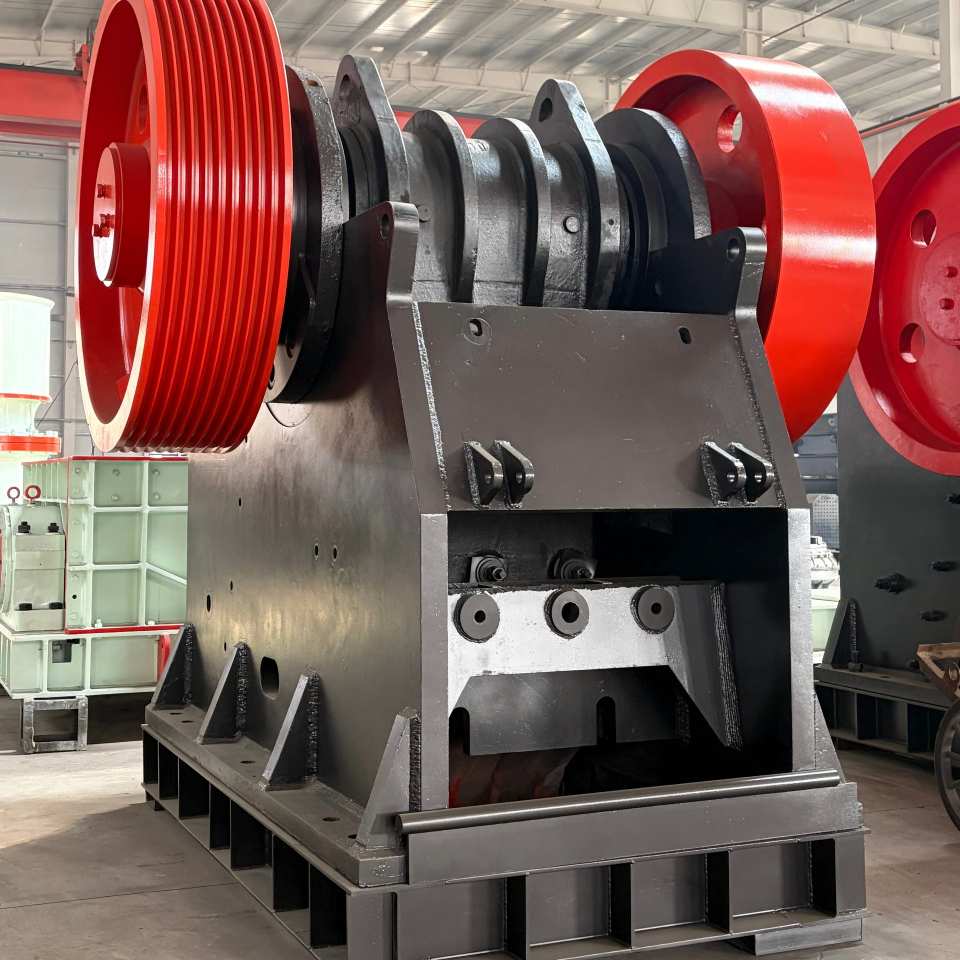
Why Material Properties Matter in Crusher Selection
Different rocks and minerals have vastly different crushing characteristics. Selecting the right equipment configuration based on material properties is essential for achieving target throughput, product quality and acceptable wear rates. This guide covers the key material parameters and how they influence crusher selection.
Hardness — The Mohs Scale
Material hardness is measured on the Mohs scale (1-10), which rates scratch resistance. For crushing applications, the more relevant measure is the Crushing Work Index (CWI) or Bond Work Index (BWI), which quantifies the energy required to grind.
| Material | Mohs Hardness | CWI (kWh/t) | Recommended Crusher |
|---|---|---|---|
| Limestone | 3-4 | 9-13 | Jaw, Impact, Cone |
| Sandstone | 6-7 | 13-18 | Jaw, Cone |
| Granite | 6-7 | 15-22 | Jaw, Cone (primary); Cone (secondary/tertiary) |
| Basalt | 7-8 | 18-25 | Jaw (primary); Cone (secondary/tertiary) |
| Iron Ore | 5.5-6.5 | 12-20 | Jaw (primary); Cone (secondary/tertiary) |
| Copper Ore | 5-6 | 12-18 | Jaw (primary); Cone (secondary/tertiary) |
| Gold Ore | 5-6 | 15-25 | Jaw (primary); Cone/SAG (secondary) |
Abrasiveness
Abrasiveness measures how quickly a material wears crusher wear parts. The Abrasion Index (AI) is measured in grams per ton (g/t) of material processed. High AI materials (basalt, granite, copper ore) require:
- Premium wear-resistant materials (high-chrome white iron, ceramic composites)
- Shorter wear part life intervals and proactive replacement scheduling
- Consideration of liner profile optimization to maintain performance as wear progresses
Moisture Content
Free moisture in the feed affects crusher throughput and screen efficiency. Generally:
- Below 2% moisture: No significant impact on most crushing operations
- 2-5% moisture: May cause some sticking in hoppers and feeders; monitor discharge
- Above 5% moisture: Risk of material sticking, especially in cone crushers and on screens. May require heated magazines, anti-blinding screens or washing circuits
Material-Specific Selection Guidelines
Limestone (Soft to Medium)
- Primary: Jaw or Impact crusher — both work well
- Secondary/Tertiary: Cone crusher (for cubical aggregate) or Impact (for manufactured sand)
- Wear parts: Standard manganese steel is adequate
- Common applications: Cement manufacturing, aggregate production, lime burning
Granite and Basalt (Hard, Abrasive)
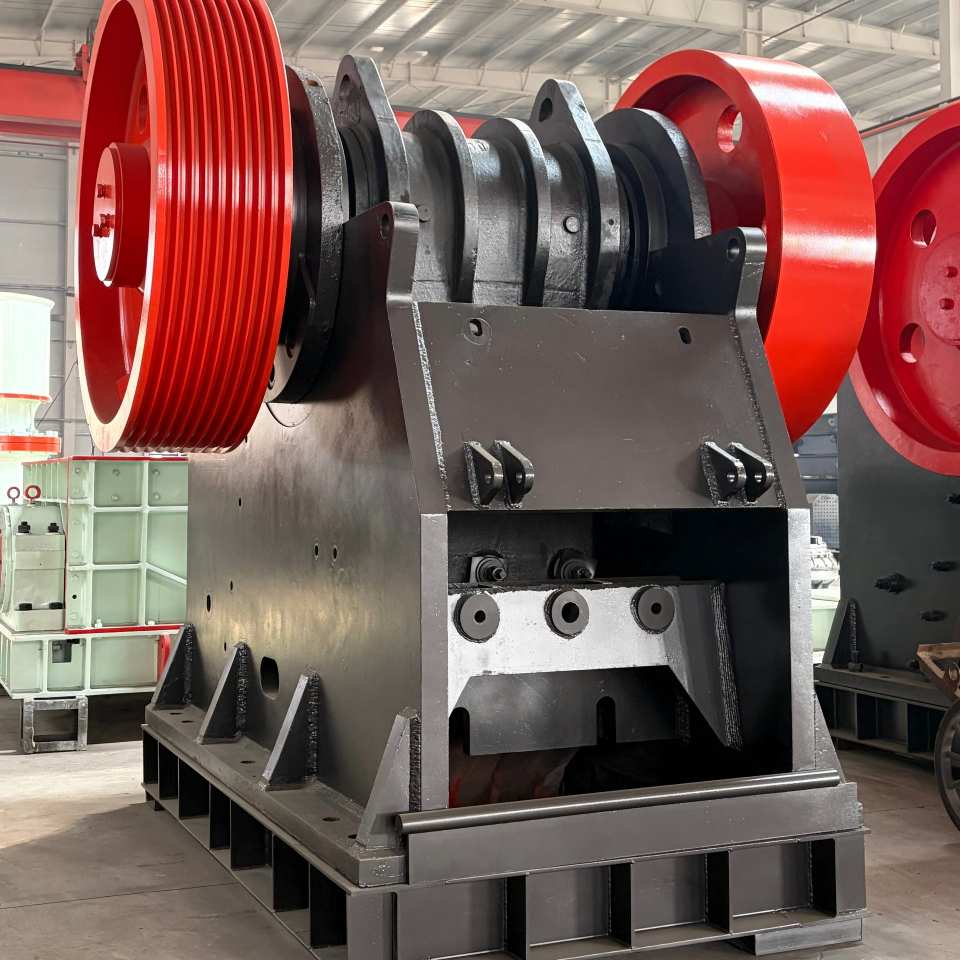
- Primary: Jaw crusher — handles large feed and hard material effectively
- Secondary/Tertiary: Cone crusher — superior for hard rock in medium-fine crushing
- Wear parts: Use heavy-duty manganese or alloy steel; expect higher wear rates
- VSI for manufactured sand: Excellent product shape, higher wear cost acceptable
Iron Ore and Copper Ore (Medium-Hard, Metallic)
- Primary: Jaw or gyratory for large mines; mobile plants may use Jaw
- Secondary/Tertiary: Cone crushers — standard for hard ore processing
- SAG/Ball milling typically follows for fine grinding
- Wear parts: Premium materials essential for cost-effective operation
Sandstone (Medium, Abrasive)
- Primary: Jaw or Impact — Impact provides better shape
- Secondary: Cone or Impact depending on product requirements
- Watch for silica content — requires dust control and respiratory protection
Hard Rock Crushing — Optimized for Material Characteristics
Feed Shape and Gradation
The shape and size distribution of the feed material affects crusher performance. Flaky feed (high aspect ratio particles) tends to pack together, reducing the voids available for new feed and potentially causing bridging in hoppers and chutes. Blasted rock with good cubic shape flows better through crushing circuits.
If your feed is predominantly flaky, consider:
- Sizing the feed opening larger to accommodate irregular shapes
- Pre-screening to remove fines that may fill voids in the crushing chamber
- Using a jaw crusher as primary to break slabs before further crushing
WSHT Material Testing and Selection Support
WSHT offers ore characterization and crushing test services to determine the optimal equipment configuration for your specific material. Share your drill core samples or bulk ore samples and our laboratory will determine hardness, abrasiveness and grindability — then our engineering team will recommend the most cost-effective crusher selection.