详细技术信息、工作原理和应用场景。可根据您的项目需求提供定制配置。
Fine grinding is one of the most critical stages within mineral processing workflows. Before valuable components can be effectively separated from raw feed material, particle size must be reduced sufficiently to achieve proper mineral dissociation. Without adequate grinding performance, subsequent separation steps cannot reach their potential recovery rate.
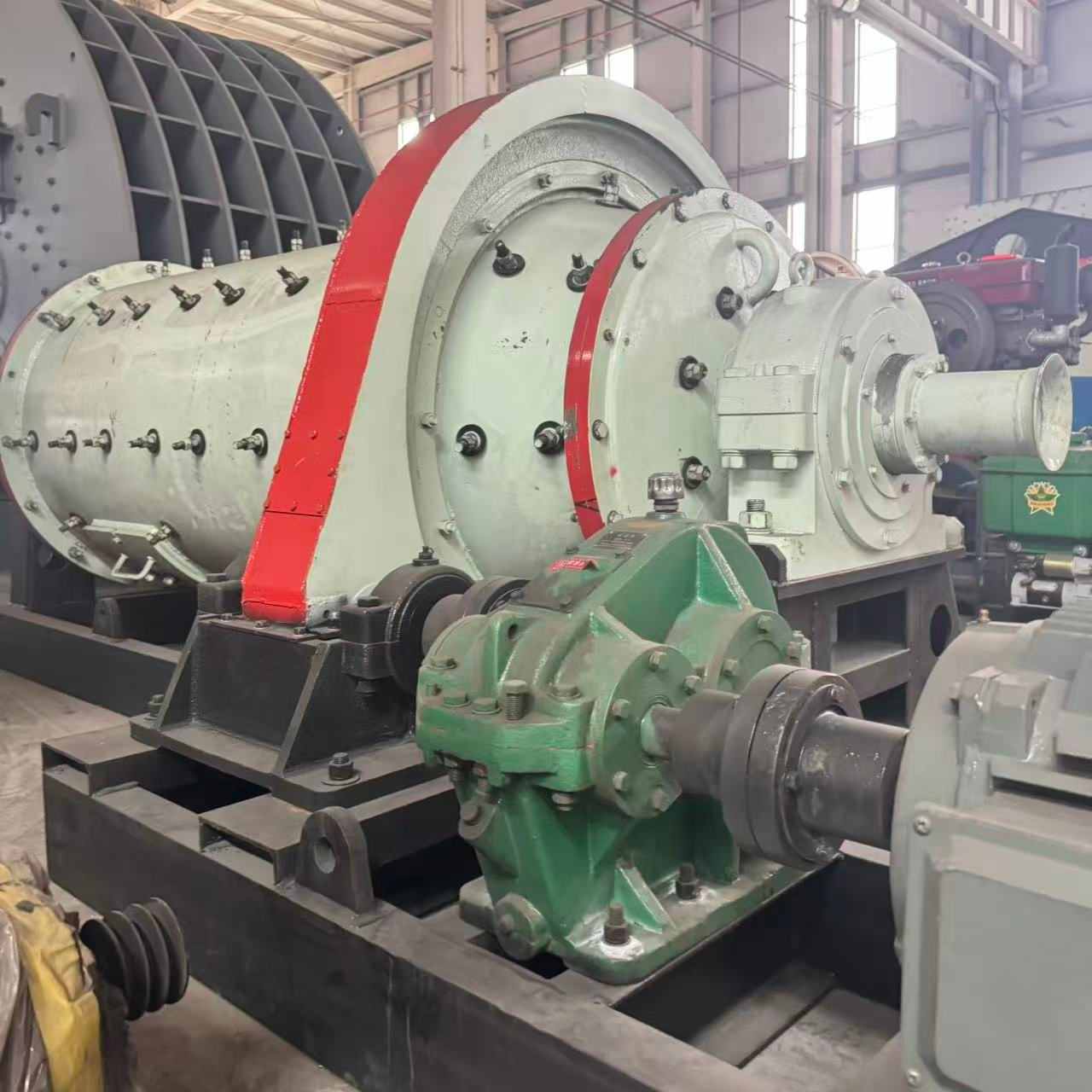
A ball mill is widely adopted as reliable fine‑grinding unit for this purpose. Inside its horizontal rotating cylinder, heavy‑duty grinding media generate impact and attrition force. This mechanical action breaks down feed material into fine particles. Operators can adjust output fineness to perfectly cooperate with downstream processing links.
Two working modes are available: wet grinding and dry grinding. Wet grinding creates slurry output and is commonly selected for mineral‑processing projects, bringing higher operating efficiency while controlling dust generation. Dry grinding applies to special scenarios where water resources are limited.
Well‑designed grinding equipment supports long‑time continuous operation. Wear‑resistant internal components lower frequent replacement work, helping project owners control overall operating expenditure. Different capacity configurations can fit small‑scale to medium‑scale site requirements.
Matching grinding fineness to your whole‑plant workflow matters greatly. Over‑grinding will create unnecessary energy consumption; insufficient grinding leads to poor dissociation and low recovery effect. It is essential to set proper processing parameters according to real‑site conditions.
Selecting suitable grinding solution helps you gain stable output and better economic performance for your mineral project.
专为可靠性而设计,为性能而打造。每款WSHT产品都体现了我们对质量和创新的承诺。
高强钢结构 & 精密数控加工,确保在最恶劣的采矿条件下长期可靠运行。
优化的腔体几何形状和智能设计,实现每小时最大产量并减少停机时间。
先进的工程设计可将能耗比传统设备设计降低高达20%。
现场安装、调试、操作员培训及备件供应全球可得。